 Admin
Admin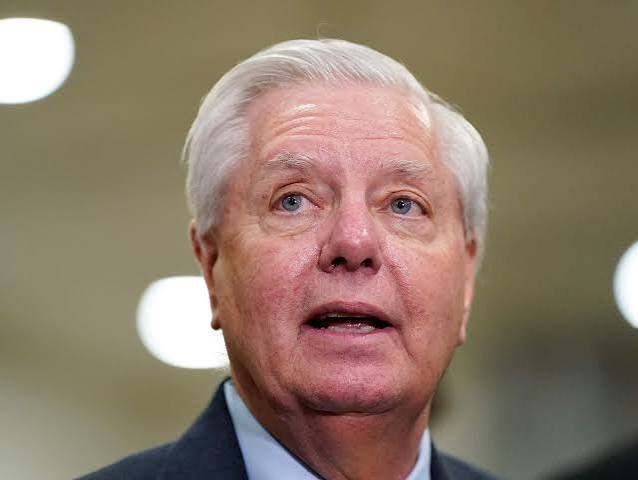
The political community is mourning the reported death of Lindsey Graham, the longtime Republican U.S. senator from South Carolina whose career in public service spanned more than three decades. News of his passing has prompted tributes from lawmakers, political figures, and individuals who followed his extensive work in national security, foreign policy, and conservative politics.
According to reports, Graham died on July 11, 2026, at the age of 71, following a brief illness. His death has led to widespread reflection on his decades of public service and the influence he held throughout his political career.
Early Life and Public Service
Born on July 9, 1955, in Central, South Carolina, Lindsey Graham experienced significant personal hardship early in life after losing both of his parents while still a young adult. Following their deaths, he became the legal guardian of his younger sister while continuing his education and pursuing a career in public service.
Graham earned degrees from the University of South Carolina before joining the U.S. Air Force Judge Advocate General’s Corps. He later continued his military service through the Air Force Reserve, eventually reaching the rank of colonel.
His early political career began in the South Carolina House of Representatives before he moved to national politics, serving four terms in the U.S. House of Representatives. In 2002, Graham was elected to the U.S. Senate, succeeding longtime South Carolina senator Strom Thurmond.
Senate Career and Political Legacy
During his more than two decades in the Senate, Graham became one of the most recognizable voices on issues involving national security, foreign affairs, and defense policy.
He was known for advocating a strong U.S. military presence internationally and frequently addressed issues involving terrorism, global conflicts, and America’s relationships with foreign allies. His positions on matters involving Iraq, Afghanistan, Ukraine, and the Middle East placed him among the Senate’s most prominent foreign policy voices.
Although Graham initially criticized Donald Trump during the 2016 presidential campaign, the two later developed a close political relationship. In subsequent years, Graham became a strong supporter of Trump’s policies, including judicial appointments, legislative priorities, and foreign policy initiatives.
Tributes and Public Reaction
Following news of Graham’s reported passing, tributes were shared by political leaders, colleagues, and public officials across the country. Supporters and former colleagues reflected on his decades of service, while others acknowledged his significant role in shaping national political debates.
President Donald Trump and other officials honored Graham’s contributions, recognizing his long career in government and his commitment to issues he considered central to American security and leadership.
Funeral and Memorial Arrangements
Funeral arrangements and memorial service details are expected to be announced by Graham’s family and official representatives at a later date.
The family may share additional information regarding opportunities for the public and political community to pay their respects as plans are finalized.
Disclaimer: The information provided on this website is for general informational purposes only. While efforts are made to ensure accuracy, not all information may be complete, verified, or accurate. Details regarding deaths, public figures, official statements, and memorial arrangements should be confirmed through authorized family announcements, government sources, or trusted news organizations.
As the nation reflects on Lindsey Graham’s reported passing, he will be remembered for his decades of political involvement, military service, and lasting influence on American public affairs.
